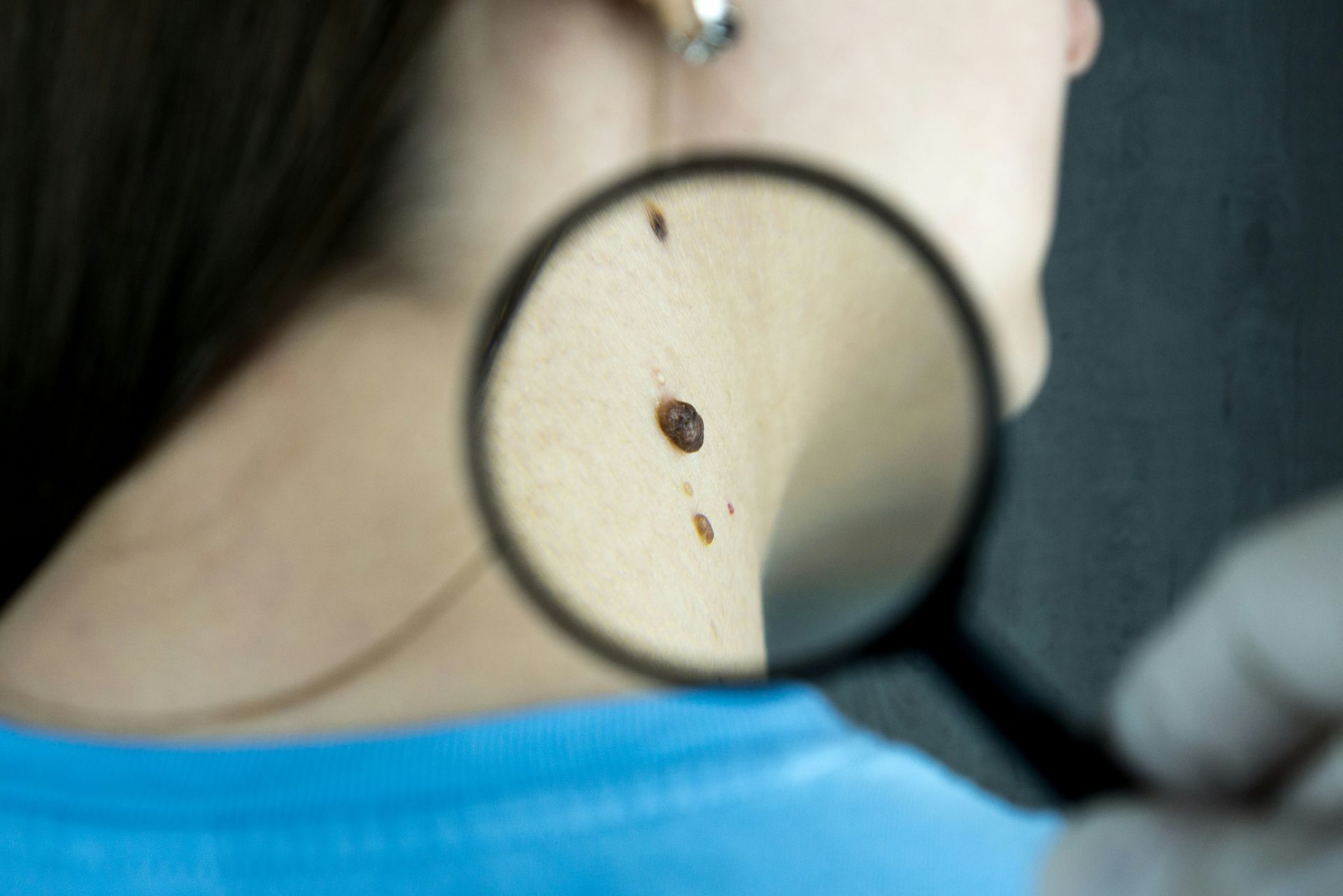
What is Skin Cancer?
Skin cancer is the most common type of cancer in the United States and worldwide. Yet, it's also one of the most preventable. This guide breaks down what skin cancer is, the most common types, why it occurs, and how you can prevent it.
An Overview of Skin Cancer
Skin cancer is the uncontrolled growth of cells in the skin. It occurs when DNA in skin cells becomes damaged, most often from ultraviolet (UV) light from the sun or tanning beds. This DNA damage causes cells to multiply uncontrollably until they eventually form a tumor. Cancer cells can then spread (metastasize) to other parts of the body, leading to serious illness or death.
With over 5 million cases diagnosed each year, skin cancer is the
most common type of cancer in the United States¹⁻³.
What Causes Skin Cancer?
Skin cancer is usually the result of ultraviolet (UV) radiation. UV radiation most often comes from sun exposure, but can also be given off by artificial sources like tanning beds. When UV rays penetrate the cells on your skin, they can damage the DNA inside them. Over time, this damage can build up, causing DNA mutations and resulting in cancer.
But sunlight and UV exposure isn’t the only factor. People with fair (light) skin, eyes, or hair, a history of sunburns, or a family history of skin cancer are all at an increased risk.
That said,
anyone can get skin cancer. People with darker skin tones, for example, may develop it in places that don’t usually see the sun—such as the palms of the hands, soles of the feet, or under nails—making regular skin checks important for everyone.
Common Types of Skin Cancer
There are three main types of skin cancer, each with different appearances and levels of risk:
Melanoma
Melanoma is the most dangerous form of skin cancer. It develops from pigment-producing skin cells called melanocytes and often looks like a new mole or one that’s changing in size, color, or shape. Melanoma can spread quickly to other organs, but when detected early, has a 99% five-year survival rate⁴.
Basal Cell Carcinoma (BCC)
Basal Cell Carcinoma is the most common type of skin cancer. It develops from the basal layer of the skin and often looks like a shiny bump, a pink patch, or a sore that doesn’t heal. BCC grows slowly and rarely spreads to other parts of the body, but it can penetrate and damage tissues or bone if left untreated.
Squamous Cell Carcinoma (SCC)
Squamous Cell Carcinoma is the second most common type of skin cancer. It develops from squamous cells in the epidermis (the outermost layer of skin). SCC can appear as a scaly red patch, wart-like growth, or sore that crusts or bleeds. It tends to grow faster than BCC and can spread if not treated.
How to Protect Your Skin
About 85% of melanoma and 90% of non-melanoma skin cancer cases are linked to UV exposure—and are therefore largely preventable⁵. Taking actionable steps to build skin-safe habits can drastically reduce your risk of cancer and keep your skin healthy for years to come.
Here are the best tips to reduce skin cancer risk:
Use Sunscreen: Start by using a broad-spectrum sunscreen with an SPF of 30 or more every day, even when it's cloudy. Sunscreen reflects or absorbs harmful UV rays, preventing them from damaging skin cells. Reapply every two hours (or sooner if you're sweating or swimming), and don't forget areas like your ears or scalp.
Stay in the Shade: Try to avoid direct sun exposure between 10 a.m. and 4 p.m., since this is when UV rays are the strongest. When outside, try to wear protective clothing, wide-brim hats, and UV-blocking sunglasses.
Avoid Sunbathing and Tanning Beds: While a tan might seem harmless, it's actually a sign of skin damage. Tanning occurs when UV radiation harms skin cells, leading the body to produce melanin (darkening pigment) to try and protect your skin from further damage. There is no such thing as a safe tan!
Tanning beds are even worse—they expose your skin to intense UV radiation that causes more damage than the sun. In fact, tanning beds cause more skin cancer cases each year than smoking causes lung cancer cases⁶.
Check Your Skin: Perform a skin exam on yourself at least once a month, looking out for new or changing moles or spots. See a dermatologist annually for a professional skin cancer screening. When detected early, most types of skin cancer including melanoma have survival rates of nearly 100%⁴.
On this page
References on this page
1. Skin Cancer. MD Anderson Cancer Center. Available from: https://www.mdanderson.org/cancer-types/skin-cancer.html
2. Kao SYZ, Ekwueme DU, Holman DM, Rim SH, Thomas CC, Saraiya M. Economic burden of skin cancer treatment in the USA: an analysis of the Medical Expenditure Panel Survey Data, 2012–2018. Cancer Causes & Control. 2022 Nov 30.
3. Centers for Disease Control and Prevention. Melanoma of the Skin Statistics. Skin Cancer. 2024. Available from: https://www.cdc.gov/skin-cancer/statistics/index.html
4. American Cancer Society. Melanoma Survival Rates | Melanoma Survival Statistics. www.cancer.org. 2024. Available from: https://www.cancer.org/cancer/types/melanoma-skin-cancer/detection-diagnosis-staging/survival-rates-for-melanoma-skin-cancer-by-stage.html
5. Skin Cancer Awareness Month Reminder: It’s Never Too Early or Too Late to Reduce Your Skin Cancer Risk. The Skin Cancer Foundation. 2020. Available from: https://www.skincancer.org/press/2018-skin-cancer-awareness-month/
6. Tanning - The Skin Cancer Foundation. The Skin Cancer Foundation. 2018. Available from: https://www.skincancer.org/risk-factors/tanning/
7. Centers for Disease Control and Prevention. Skin Cancer Risk Factors. Skin Cancer. 2024. Available from: https://www.cdc.gov/skin-cancer/risk-factors/index.html
8. American Cancer Society. Does UV Radiation Cause Cancer?. www.cancer.org. 2019. Available from: https://www.cancer.org/cancer/risk-prevention/sun-and-uv/uv-radiation.html
9. Annual Exams. The Skin Cancer Foundation. Available from: https://www.skincancer.org/early-detection/annual-exams/
Written by
Written and medically reviewed by the End Skin Cancer team.